
Origins and Historical Roots
The sacred hill of Arunachala, worshipped as Shiva Himself, has been the spiritual nucleus around which the Arunachaleswarar Temple evolved. Once called Thiru Anna Nadu, the region has seen the influence of Pallavas, Cholas, Hoysalas, Vijayanagar kings, and Nayaks, each adding their architectural devotion to the temple.
Though rooted in prehistoric Saivism, the central Lingam has been revered for over 2,000 years, with literary references dating back to Nakkirar of the Sangam period. The structure we see today grew over nine centuries and now spans over 25 acres.
Mythic Significance
The temple marks the spot where Shiva appeared as an infinite pillar of fire to resolve the dispute between Brahma and Vishnu. The tale, echoed in the Skanda Purana and Siva Rahasya, becomes sacred architecture here. The Jyoti Lingam became still, as Arunachala Hill; and at its foot, the Lingam in the sanctum sanctorum was established for worship.
Temple Architecture
Seven enclosures or prakarams: five inside, one along the temple streets (mada veedhis), and one as the 14-km Girivalam path around the Hill.
Four main Gopurams mark the cardinal entrances; the tallest, the Raja Gopuram (217 feet), was completed by Krishna Deva Raya in the 16th century.
Nine Vimanas, 56 shrines, mandapams, and tanks mark the sacred landscape.


Notable Mandapams and Shrines
- 1000 Pillar Mandapam: Built by Krishna Deva Raya, used during major festivals and housing sacred Vahanas.
- Patala Lingam Shrine: Underground chamber linked with Ramana Maharshi's early meditation.
- Kili Gopuram: Known for a parrot sculpture and associated with Saint Arunagirinathar, who is believed to have composed the Kandar Anubhuti here.
- Unnamulai Amman Shrine: The consort of Arunachaleswarar, believed to have been constructed by Kulottunga Chola I, and remodeled by the Chettiars.
- Navagraha Mandapam, Astalakshmi Mandapam, Vasantha Mandapam, and the Nataraja Shrine surround the core.
The Tanks of Grace
Sivaganga Theertham: Dug by Krishna Deva Raya; fed by a canal and used in temple ablutions.
Brahma Theertham: Dug by Vena Odeyan in 1230 A.D., surrounded by mandapams and sculpture.
Thirumalai Devi Amman Samudram: Connected to the temple through an underground channel.

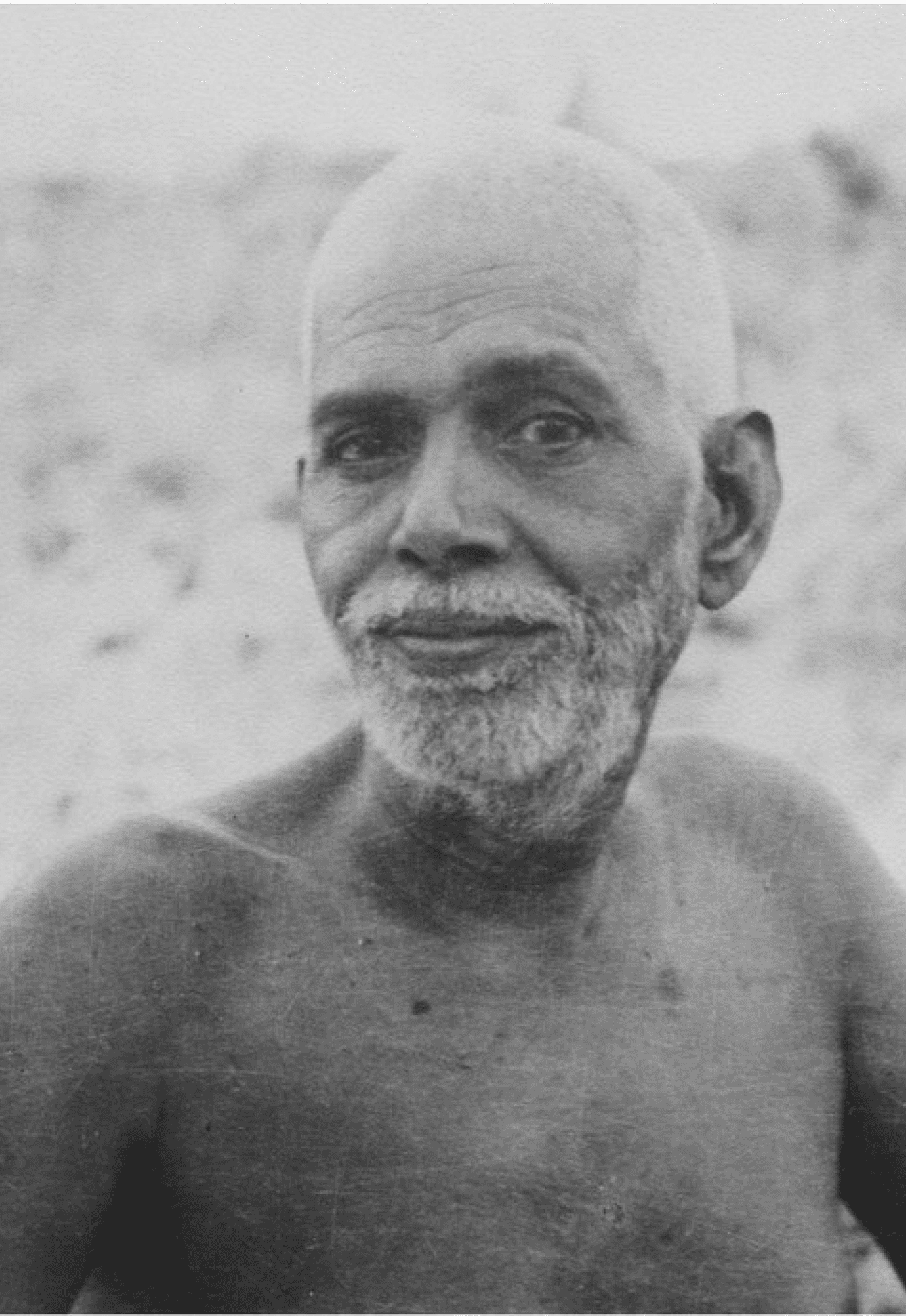

Saints, Kings, and Living Presence
Saints like Arunagirinathar, Ramana Maharshi, and Thambirans (temple custodians) have lived, sung, and merged with Arunachala here.
Kings from Ballala, Krishna Deva Raya, to Veera Rajendra Chola left their marks in shrines, statues, tanks, and Gopuras.
Central Shrine and Lingam
At the heart lies the Sanctum Sanctorum (Garbhagriha), a dark, stone-walled chamber housing the Aroopa Nishkala Arunachala, the formless aspect of Shiva.
The Lingam here is no ordinary stone. It has been worshipped for over 2,000 years, and is said to be the original flame frozen in form. Around it are shrines to Ganesha, Subramanya, Bhairava, and the 63 Saiva saints, with richly carved colonnades for pradakshina.
Arunachala is the Temple
There is no difference between the Hill and the Temple. The Upanishads say:
"By seeing Chidambaram, by being born in Tiruvarur, by dying in Kasi, or by merely thinking of Arunachala—one will surely attain Liberation."
The temple is the body; the Hill is the Self.